YOUR PILATES
CAREER PATHWAY
Start with the course that best suits your goals, then build your skills with ongoing education to specialise, expand your opportunities and take your career further.

Start with the course that best suits your goals, then build your skills with ongoing education to specialise, expand your opportunities and take your career further.
Great Pilates instructors have a comprehensive understanding of Anatomy and how the body moves.
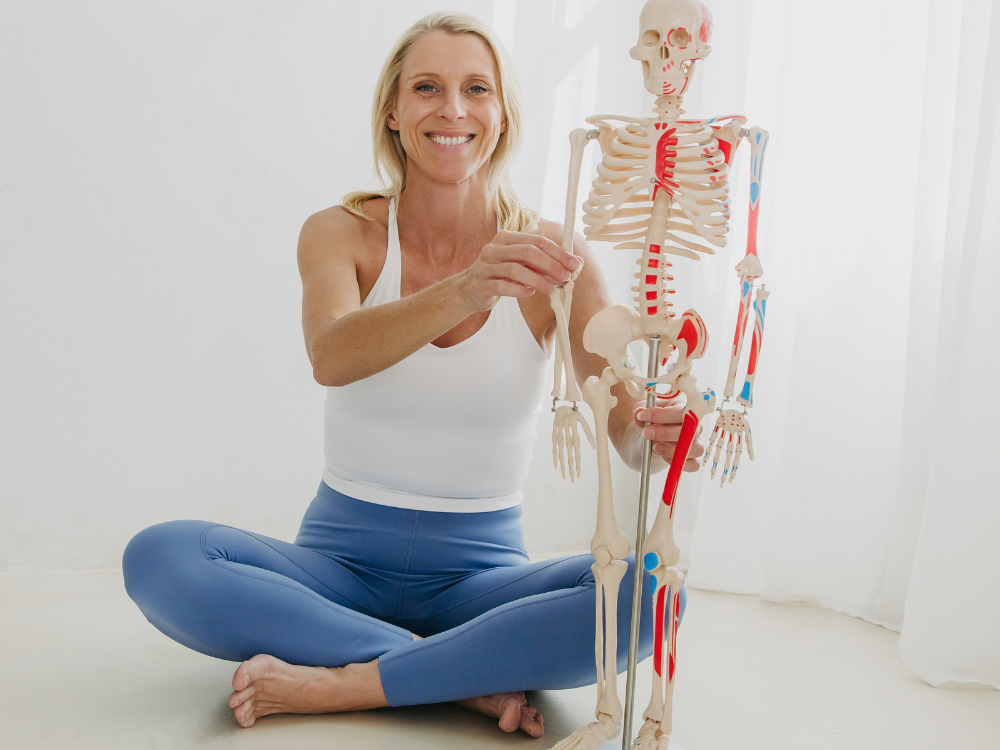
A thorough understanding of anatomy (the bones, joints and muscles of the body) is an important foundation for your Pilates instructor training. If you’re new to health and fitness, our Anatomy Course is your starting point. Already have a relevant qualification? You may already meet the anatomy requirement and be able to skip this course.
Studio Pilates offers three pathways into Pilates instructor training. Choose the Matwork Course if you want a versatile foundation for teaching Matwork and progressing into Reformer and traditional Pilates equipment, the Rehab Course if you’re an allied health professional or the Platinum Instructing Course if you want to instruct at a Studio Pilates location. From there, you can add specialist and equipment courses based on the clients you want to teach and where you want your Pilates career to take you.
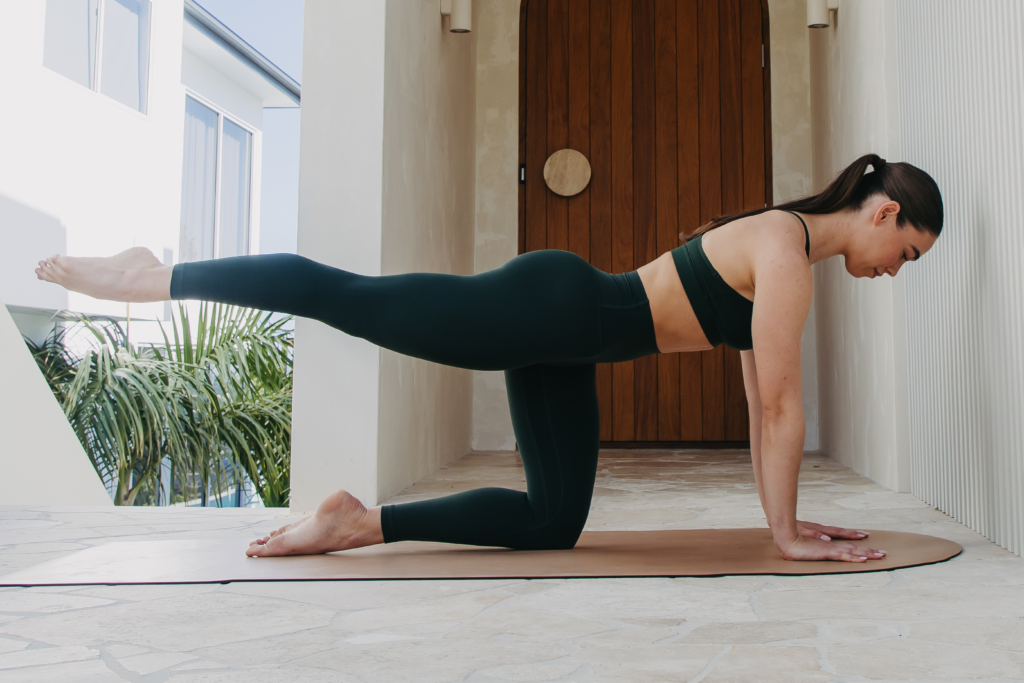
Our foundation Pilates instructor training course. Learn the essential skills to confidently instruct Matwork Pilates in one-on-one and group settings.
Best for: new instructors, gyms, community and online classes.
Unlocks: Reformer courses, Matwork-based ongoing courses and traditional studio and large equipment courses.
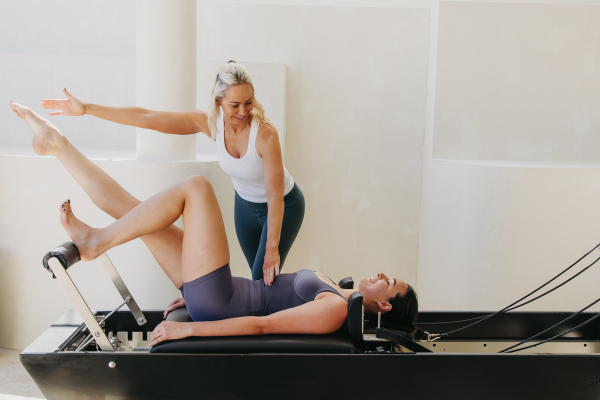
Specialised Pilates training for allied health professionals.
Best for: physios, exercise physiologists and other allied health practitioners.
Unlocks: Allied Health Pilates practice, Matwork-based ongoing courses and traditional studio and large equipment courses.
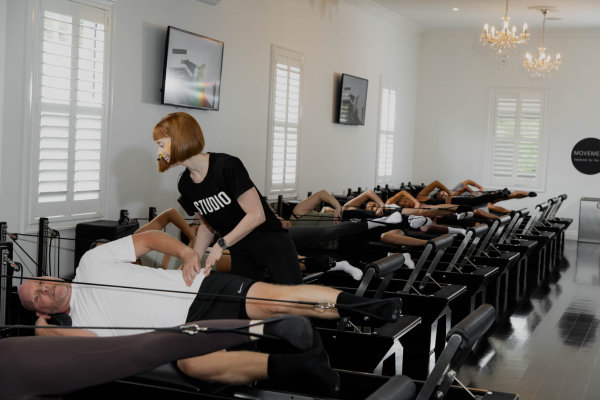
Reformer certification designed for instructors who want to teach at Studio Pilates locations.
Best for: anyone wanting a role in a Studio Pilates studio.
Unlocks: The dedicated Studio Pilates pathway
Ongoing education builds on your entry certification, so you can teach more clients, more equipment and more class styles.
Build on your Matwork knowledge with specialist and progressive training.
Expand your skills with a range of large Pilates equipment training.
Choose your career goal below to see the training pathway we recommend to help you get there.
Instructing pregnant and postnatal clients is incredibly rewarding as a Pilates instructor. Your initial foundation instructing certification with Studio Pilates (the Matwork Course, Rehab Course or Platinum Instructing Course) will qualify you to work with both pregnant and postnatal clients. If you’d like to specialise further, the courses we’ve recommended next will deepen your pregnancy and postnatal knowledge and expand your repertoire with exercises particularly suited to these clients.
Back pain is one of the most common issues you’ll encounter as a Pilates instructor. Your foundation instructor training (the Matwork Course, Rehab Course or Platinum Instructing Course) will give you a solid understanding of back pain and the injuries and conditions that can cause it. If you’d like to specialise further in working with clients experiencing back pain, we recommend expanding your skills with the courses below.
Did you know Studio Pilates has franchised studios around the world? Our studios deliver signature 40-minute Reformer workouts, combining expert instruction, high energy music and our unique digital video technology, SPTV.
If you want to instruct at a Studio Pilates location, your pathway is simple: complete the Platinum Instructing Course. Platinum is the only Studio Pilates course that qualifies you to instruct in a franchised Studio Pilates studio using SPTV.
Once qualified, you’ll have the opportunity to apply for instructing positions across the growing Studio Pilates network worldwide.
No further course recommended.
Reformer Pilates is one of the most popular types of Pilates classes. In 2025, it was the most-booked Pilates format globally on ClassPass, with bookings up 71% year on year. To tap into this growing demand and open up more opportunities as an instructor, complete our Matwork Course followed by the Reformer Course.
Why Matwork first? Matwork is the foundation of Pilates and a core component of the Pilates method. It gives you, as an instructor, the fundamental knowledge and instructing skills that you’ll build on when you progress to the Reformer. It also makes your instructing qualification more versatile - rather than being limited to Reformer classes, you’ll have the skills to instruct Matwork classes, one-on-one sessions and in a broader range of Pilates and fitness settings.
Once you’ve completed the Reformer Course, we recommend progressing to Reformer Progressions. This course teaches you the second half of the complete Reformer repertoire, including intermediate and advanced exercises, giving you more ways to challenge your clients, add variety to your classes and progress their results.
Note: The pathway to instruct at a Studio Pilates franchised studio is different from the pathway to instruct at an independent Reformer studio. To instruct at a Studio Pilates location, you’ll need to complete the Platinum Instructing Course.
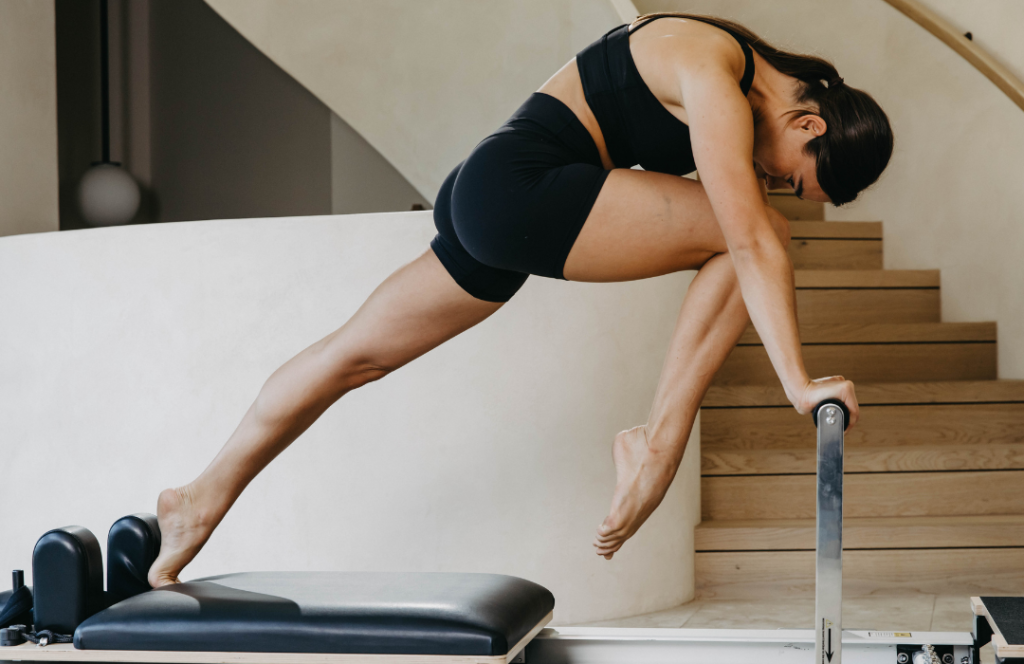
Want to work in a classical Pilates studio? Your Studio Pilates instructor certification gives you the qualifications and skills to get there and succeed. If you’d like to instruct in a classical Pilates studio setting, your training pathway starts with Matwork. For Joseph Pilates, Matwork was the foundation of his Pilates method (also called Contrology). From this foundation, you can progress to Reformer, then expand your repertoire across the other traditional studio equipment invented by Joseph Pilates.
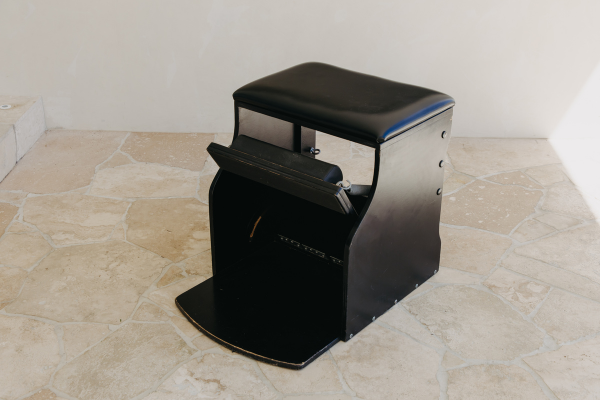
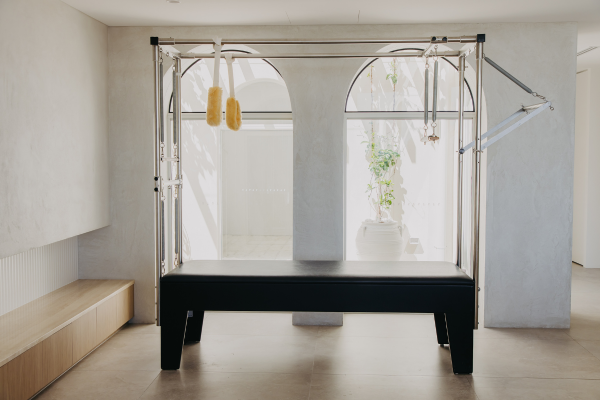
Classical apparatus such as the Wunda Chair and Cadillac (Trapeze Table) are a must when instructing in a classical Pilates studio setting. The Wunda Chair and Cadillac are incredibly versatile, giving you a broad repertoire for clients at very different stages - from rehabilitation, pregnancy and older clients through to strong athletes and dancers.
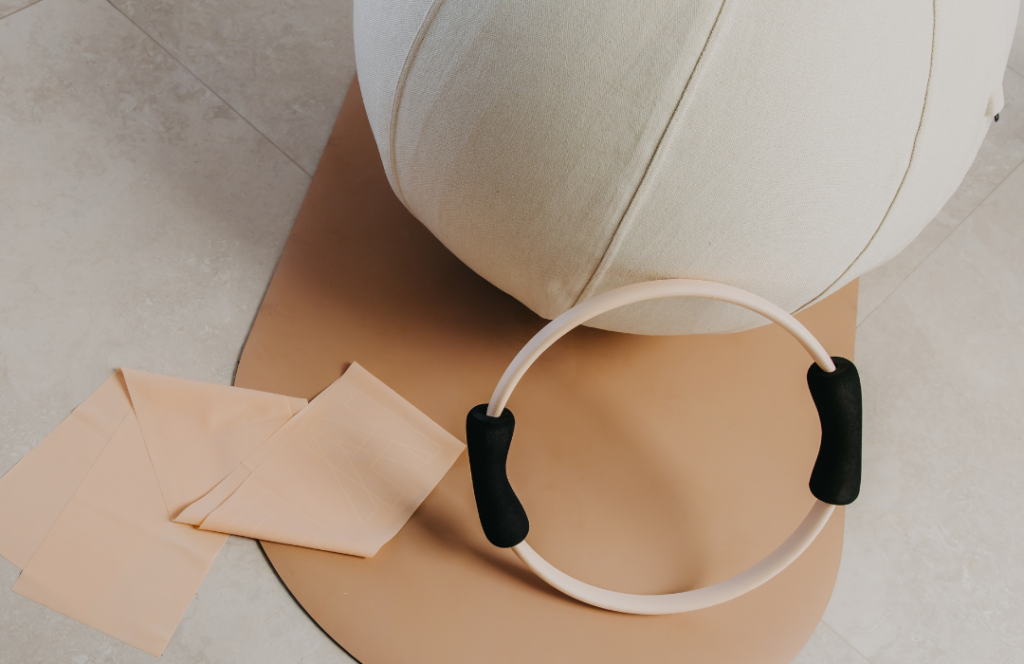
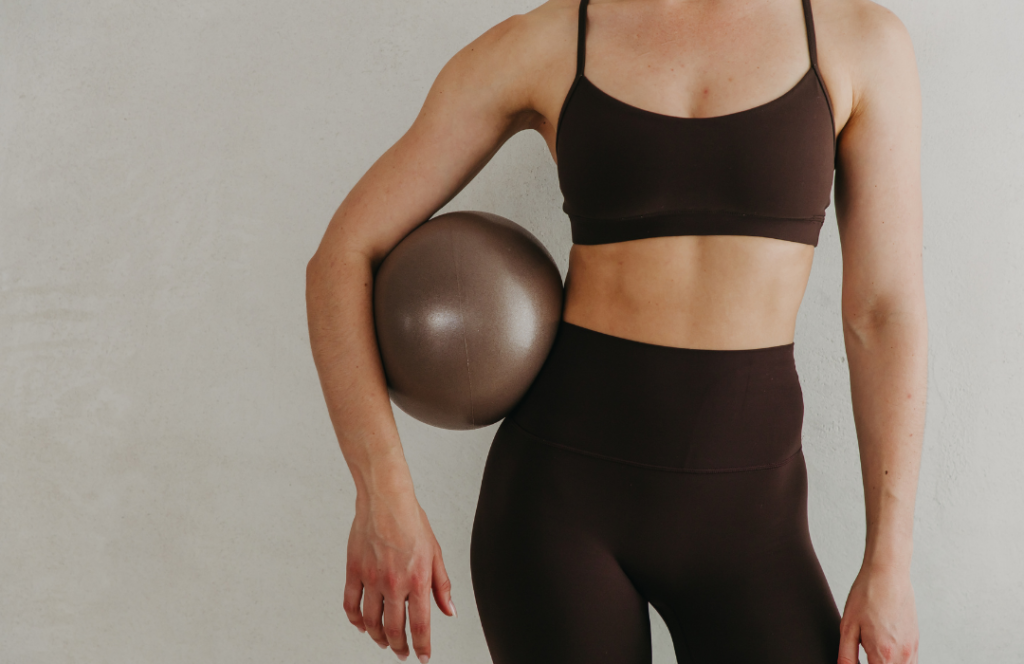
We also recommend Ball, Circle & Band, giving you three versatile pieces of small equipment that can be seamlessly incorporated into both Matwork and equipment-based sessions.
Reformer Progressions will enable you to learn the second half of the complete Reformer repertoire if you are instructing primarily on the Reformer equipment.
In this type of classical studio setting, you’re likely to work one-on-one with clients or instruct small groups. It is common in this setting to have one client on the mat, another on a Reformer and another on a Wunda Chair.
Note: You do not need to complete ALL of these courses to work in a classical Pilates setting, but this guide highlights the courses most relevant to this type of instructing and how to best progress your instructing skills in this specific environment.
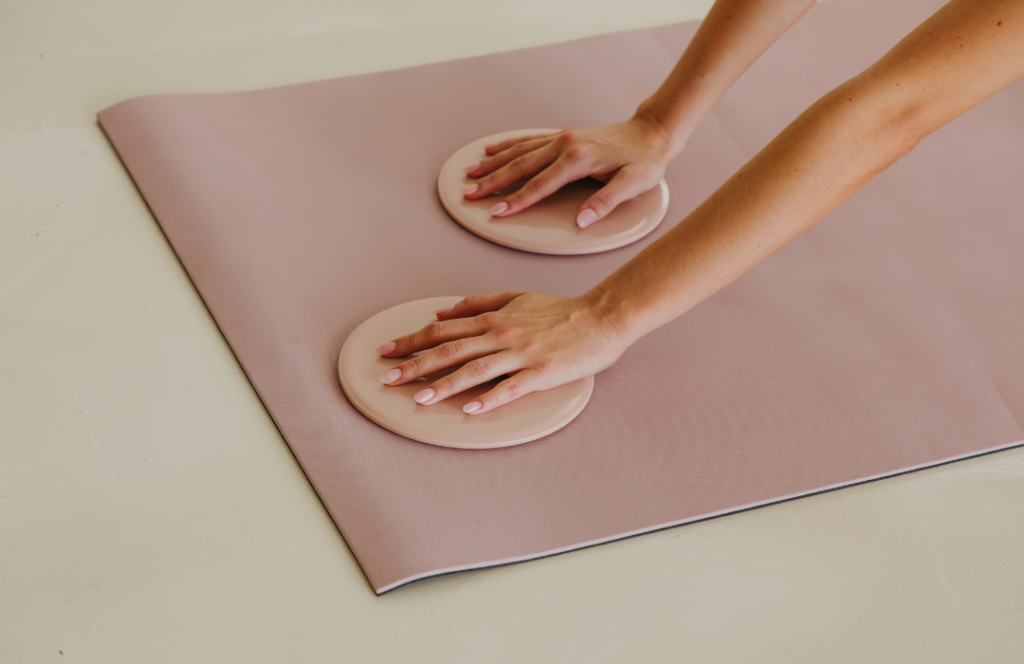
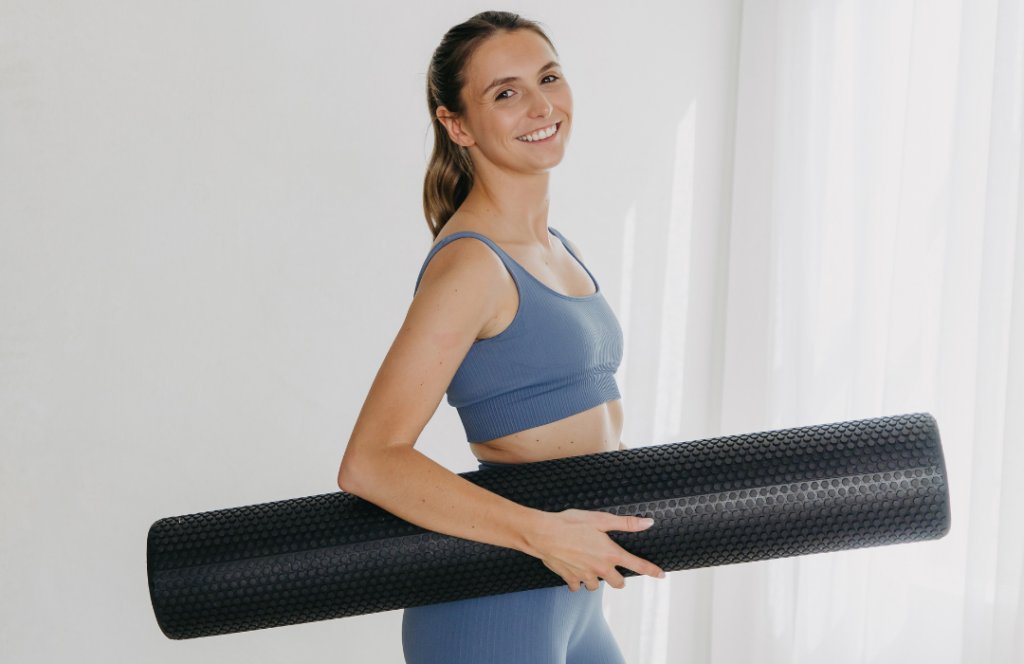
Many graduates of our instructor training go on to teach Pilates classes in a gym setting. Matwork is the essential foundation training which you would complete to instruct Pilates in this setting. From there, we recommend expanding your training with courses such as Ball, Circle & Band, Small Pilates Ball, Slider Pilates and Foam Roller Pilates which all progress your skills, add even more repertoire and versatility, along with the fun and challenge of small equipment.
Do you need any other qualifications to instruct Pilates in a gym setting? This can depend on the gym. There are two types of gyms in Australia - major gym chains like Goodlife, Fernwood, Virgin Active etc and smaller independent gyms. Most smaller independent gyms hire Pilates instructors with a recognised and respected Pilates qualification such as the Studio Pilates training. You will likely be required to have a First Aid qualification in addition to your Pilates teacher training qualification and you may be required to have your own insurance if the gym’s insurance doesn’t cover you.
Working in the large gym chains in Australia is a little bit different. Most of the large gym chains have their own internal hiring policies and they sometimes require Pilates instructors to have a Certificate IV or Diploma in Fitness IN ADDITION to their Pilates instructor qualification (regardless of which Pilates qualification the person has). But that policy really only applies if you’re looking to work in one of the BIG gym chains and it doesn’t usually apply if you’re looking to work in smaller, more independent gyms.
If you’re an allied health professional looking to add Pilates to your existing skill set, you’ll be in good company. Many allied health professionals complete Studio Pilates instructor training, using Pilates to complement their existing clinical knowledge and expand the way they work with clients.
Adding Pilates to your skill set can give you another way to support clients through rehabilitation and beyond. It can help diversify your working day, complement hands-on treatment, create an additional service within a clinic and give clients practical, Pilates-based exercises to help them take a more active role in their rehabilitation. It can also broaden your employment opportunities and earning potential.
As an allied health professional, you have two main training pathways: the Rehab Course or the full Matwork and Reformer pathway. Originally developed for physiotherapy students, the Rehab Course combines selected Matwork and Reformer repertoire from the outset, with a strong focus on exercises suited to a rehabilitation setting.
Alternatively, completing the full Matwork and Reformer Courses gives you a larger overall exercise repertoire. Alongside exercises suited to rehabilitation, you’ll learn more intermediate exercises and have greater scope to work with stronger clients, including athletes and dancers. This pathway can be particularly valuable if you want Pilates to become a larger part of your practice.
Once you’ve completed your initial instructor training through either the Rehab Course or Matwork Course, you can continue to specialise with ongoing training in areas relevant to your practice, such as Pilates for Back Pain or Pilates for Pregnancy, as well as expanding your repertoire across additional Pilates equipment.
Matwork is the foundation of the Pilates method and one of the most versatile ways to build a career as a Pilates instructor. With no large equipment required, Matwork can be taught almost anywhere - in Pilates studios, gyms, allied health clinics, community spaces, online, outdoors or as part of your own Pilates business.
Your pathway starts with the Matwork Course, where you’ll learn the foundational Matwork repertoire and develop the practical skills to confidently instruct individuals and groups, including modifying exercises for different abilities, injuries and pregnancy.
Once qualified, you can continue to build your repertoire with Matwork Programming & Progressions, which teaches you the second half of the Matwork repertoire and expands your programming skills for different client demographics. We also recommend adding Ball, Circle & Band as the small equipment is an easy way to introduce more variety, challenge and versatility into your Matwork classes without needing access to a fully equipped Pilates studio.
Teaching Pilates online gives you the flexibility to reach clients almost anywhere. You might choose to instruct clients live through Zoom or create YouTube workouts.
Your pathway starts with the Matwork Course. Because Matwork requires no large equipment, it’s ideally suited to online instruction and gives you a comprehensive repertoire you can teach using little more than a mat and some floor space. You’ll also develop the practical instructing, cueing and demonstration skills needed to clearly guide clients through exercises when you’re not physically in the room with them.
From there, Matwork Programming & Progressions will expand your repertoire and programming skills, giving you even more exercises and class options to keep your online content varied. We also recommend Ball, Circle & Band, Small Pilates Ball, Foam Roller and Slider Pilates - portable, accessible pieces of equipment that can add variety and challenge while still being easy for clients to use at home.
Whether you want to teach a handful of clients live online or create Pilates workouts that can reach thousands of people, this pathway gives you the repertoire and versatility to take your Pilates instructing beyond the studio.
Pilates can be particularly valuable for older clients because so many exercises focus on strength, stability, mobility and functional movement - movements that support the things we need to keep doing confidently in everyday life. A Pilates exercise might replicate reaching overhead to put something into a high cupboard, bending down toward the floor, getting up from a chair or maintaining balance while moving.
The Studio Pilates Matwork Course gives you a strong foundation for working with older clients, but equipment-based Pilates can also make exercise more accessible. The Reformer, Wunda Chair and Cadillac are all raised off the ground, which can make exercising more accessible for clients who find repeatedly getting up and down off the floor challenging.
The Wunda Chair and Cadillac can be particularly useful when working with clients who experience vertigo or dizziness. Unlike the Reformer, there is no moving carriage beneath the client - they are fixed, stable pieces of equipment that allow older clients to perform exercises in more stable sitting or standing positions.
We also recommend Ball, Circle & Band. Small equipment can be used with older clients to challenge balance, stability, coordination and strength - all valuable areas to incorporate when programming for this demographic, particularly when supporting the physical capabilities associated with maintaining independence and reducing falls risk.
Together, these courses give you a much broader toolkit to adapt your Pilates sessions to the individual client in front of you - whether they’re an active older client wanting to stay strong and mobile or someone who needs more support, stability and accessible exercise options.
Pilates and dance have a long history together. Joseph Pilates worked with and trained many dancers and his New York studio became closely connected with the dance community. That influence can still be seen throughout the traditional Pilates repertoire.
For dancers, Pilates offers an opportunity to develop strength, control, stability, mobility and body awareness, while challenging the body through precise, controlled movement. It can complement dance training particularly well because exercises can be progressed for clients who are already strong, flexible and highly body-aware.
Your pathway to instructing Pilates to dancers starts with Matwork and Reformer, giving you a broad foundation and an extensive repertoire that can progress from fundamental movements through to more challenging exercises suited to dancers. We also recommend Matwork Programming & Progressions to expand your Matwork repertoire further and Ball, Circle & Band to introduce additional resistance, stability and challenge.
From there, the Wunda Chair and Cadillac (Trapeze Table) are particularly valuable additions. These traditional pieces of Pilates equipment offer an enormous range of exercises and more advanced movement possibilities, giving you plenty of scope to challenge strong, highly conditioned dancers.
With training across Matwork, Reformer and the traditional Pilates apparatus, you’ll have a much bigger toolkit to create varied, challenging sessions that complement the unique physical demands of dance.
Pilates can be an incredibly valuable addition to an athlete’s training. While traditional strength and conditioning often focuses on developing power, speed and endurance, Pilates can complement this by developing core strength, stability, control, mobility and precise movement - all important qualities for a strong, well-functioning body while reducing the risk of injuries.
Your pathway to instructing Pilates to athletes starts with Matwork, where you’ll build a strong foundation in Pilates movement and learn how to instruct and modify exercises for different bodies and physical demands. We also recommend Matwork Programming & Progressions, which expands your repertoire with more challenging exercises particularly well suited to stronger, highly conditioned clients.
From there, Reformer and Reformer Progressions give you an even greater repertoire and plenty of opportunities to increase resistance, complexity and challenge. The Reformer can be used to complement an athlete’s existing training, target specific areas of strength and control and introduce movement patterns they may not encounter in their usual sport or gym program.
Ball, Circle & Band is another valuable addition when working with athletes. These simple pieces of equipment can introduce resistance, instability and additional challenge to familiar exercises, giving you even more ways to work on stability, coordination and control.
With a broad repertoire across Matwork, Reformer and small equipment, you’ll have the versatility to tailor Pilates sessions to athletes from a wide variety of sporting backgrounds - whether they’re looking to complement their regular training, address particular areas of weakness or simply challenge their body in a completely different way.

Your ideal Pilates instructor training pathway depends on where you want to work and the clients you want to teach. If you want to teach Matwork Pilates, your pathway starts with the Matwork Course. If you want to teach Reformer Pilates outside the Studio Pilates network, complete Matwork followed by Reformer. Allied health professionals can choose the Rehab Course, while those wanting to instruct at a Studio Pilates location should complete the Platinum Instructing Course.
The qualification you need depends on the type of Pilates you want to instruct and where you want to work. Studio Pilates offers nationally and internationally recognised instructor training, with different pathways for Matwork, Reformer, rehabilitation, traditional Pilates equipment and Studio Pilates locations.
Yes. At Studio Pilates, Matwork is the foundation of your Pilates instructor training and a prerequisite for the Reformer Course. Matwork teaches the Pilates fundamentals and core instructing skills that you then build upon when learning Reformer. It also gives you a more versatile qualification, allowing you to instruct Matwork as well as progress into equipment-based Pilates.
To become a Reformer Pilates instructor through Studio Pilates, complete the Matwork Course followed by the Reformer Course. You can then progress to the Reformer Progressions Course to learn the second half of the complete Reformer repertoire, including more intermediate and advanced exercises.
Depending on the courses you complete, your Studio Pilates training can prepare you to instruct in Pilates studios, Reformer studios, gyms, allied health clinics, online, outdoors, in community spaces or through your own Pilates business. You can also specialise in areas such as pregnancy, back pain, older clients, athletes and dancers.
The Reformer Course is for instructors wanting to teach Reformer Pilates outside the Studio Pilates franchise network. The Platinum Instructing Course is specifically designed for instructors wanting to work at Studio Pilates locations and teaches you to instruct using Studio Pilates’ SPTV digital technology.
Allied health professionals can choose between the Rehab Course and the full Matwork and Reformer pathway. The Rehab Course combines selected Matwork and Reformer exercises with a rehabilitation focus, while completing the full Matwork and Reformer training provides a larger overall exercise repertoire and greater scope to work across rehabilitation, general Pilates and stronger clients.
Yes. Studio Pilates instructor training is modular, so you can continue adding courses as your career develops. Depending on who you want to work with, you can specialise further in areas such as pregnancy, back pain, Reformer Pilates, traditional Pilates apparatus, small equipment and programming for different client groups.
You do not need to complete every Studio Pilates course before you can begin instructing. For example, completing the Matwork Course certifies you as a Matwork instructor. You can then start instructing within the scope of that training and add further courses as your career develops.
No. Studio Pilates offers multiple Pilates instructor training pathways for different career goals. Only the Platinum Instructing Course is specifically designed for instructors who want to work at Studio Pilates franchised locations. Our other instructor training courses can prepare you to teach in settings including independent Pilates and Reformer studios, gyms, allied health clinics, online, one-on-one sessions and your own Pilates business.
SUMMER SALE ON NOW! Save 20% off courses! *Ts & Cs apply Dismiss